


Introduction
As autonomous vehicles (UGVs, drones, and robotic systems) become integral to industries like logistics, defense, and smart infrastructure, secure and reliable wireless communication is critical. One of the most robust technologies ensuring interference-free data transmission is Frequency Hopping Spread Spectrum (FHSS).
FHSS is a military-grade wireless technique that rapidly switches frequencies to avoid jamming, reduce interference, and maintain stable connections—making it ideal for unmanned ground vehicles (UGVs) operating in congested or hostile environments.
In this article, we’ll explore:
1. How FHSS works and why it’s superior for UGVs
2. Why Unmanned Vehicles Need FHSS?
3. Anti-jamming wireless system for autonomous robots
What is Frequency Hopping Spread Spectrum (FHSS)?
FHSS is a radio transmission method where the signal rapidly "hops" between multiple frequencies in a pre-defined sequence. Unlike traditional fixed-frequency systems, FHSS provides:
●Anti-jamming resilience – Critical for defense and security UGVs
●Interference avoidance – Essential in urban or industrial zones with heavy RF noise
●Low probability of detection (LPD) – Beneficial for covert operations
How FHSS Works
●Frequency agility – The transmitter and receiver synchronize to switch channels up to thousands of times per second.
●Pseudorandom sequence – Hopping follows a coded pattern, known only to authorized devices.
●Error correction – If one frequency is blocked, data is retransmitted on the next hop.


Why Unmanned Vehicles Need FHSS?
●Jamming resistance – FHSS prevents signal disruption in electronic warfare (EW) environments.
●Secure comms – Frequency hopping makes it extremely hard to intercept or hack data.
●Battlefield reliability – Ensures continuous control of autonomous patrol UGVs even under RF interference.
2. Industrial & Logistics Automation
●Warehouse robots – FHSS avoids interference from Wi-Fi, Bluetooth, and other wireless devices.
●Autonomous forklifts & AGVs – Maintains stable navigation signals in crowded industrial zones.
3. Urban & Off-Road Autonomous Vehicles
●Smart city fleets – Self-driving taxis and delivery bots benefit from interference-free V2X (Vehicle-to-Everything) links.
●Search & rescue UGVs – Operates reliably in disaster zones with damaged infrastructure.
Anti-jamming Wireless System for Autonomous Robots
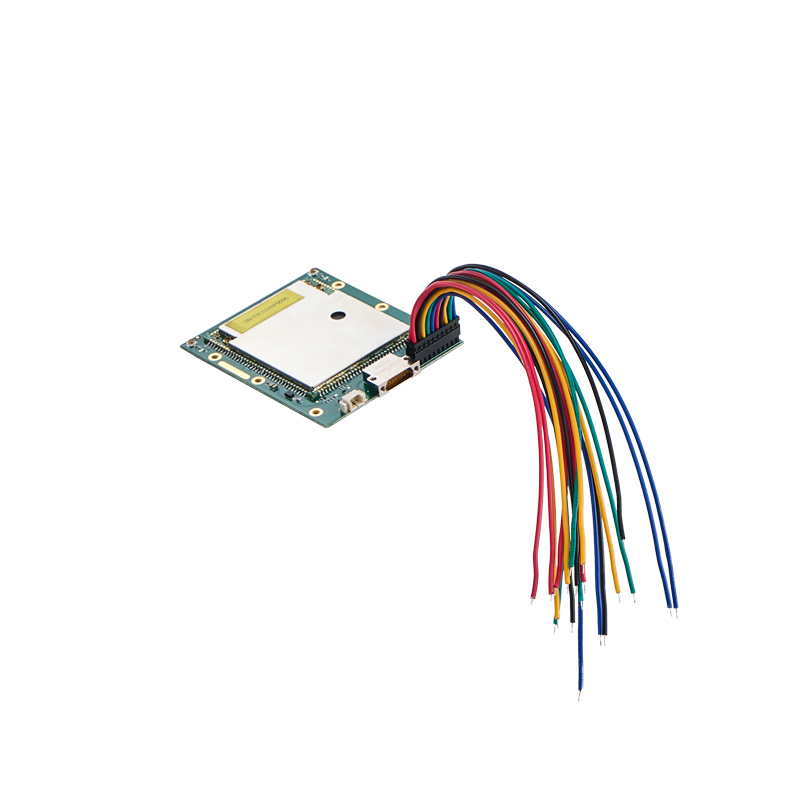
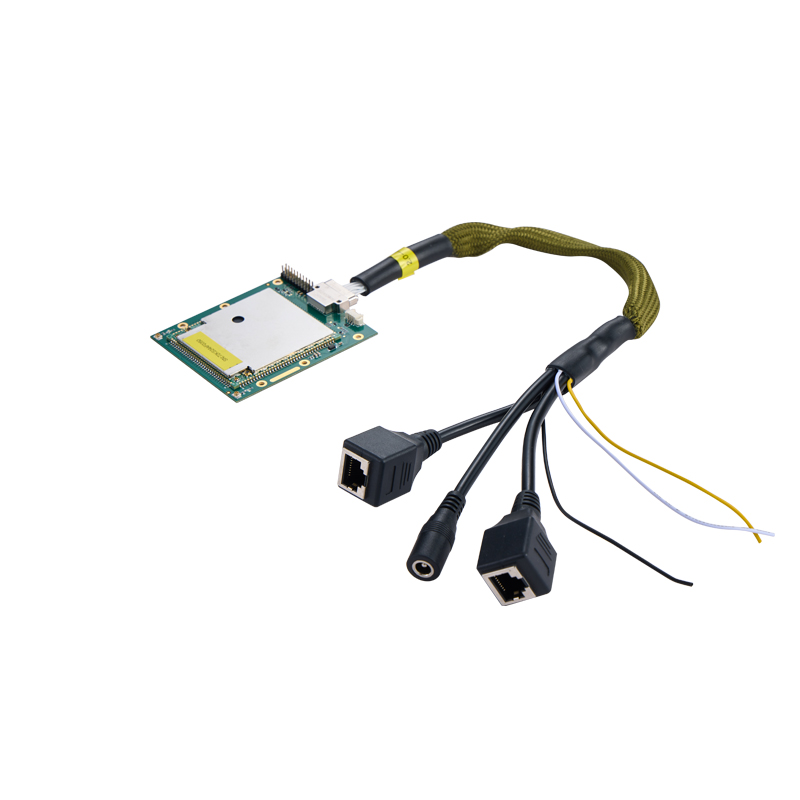
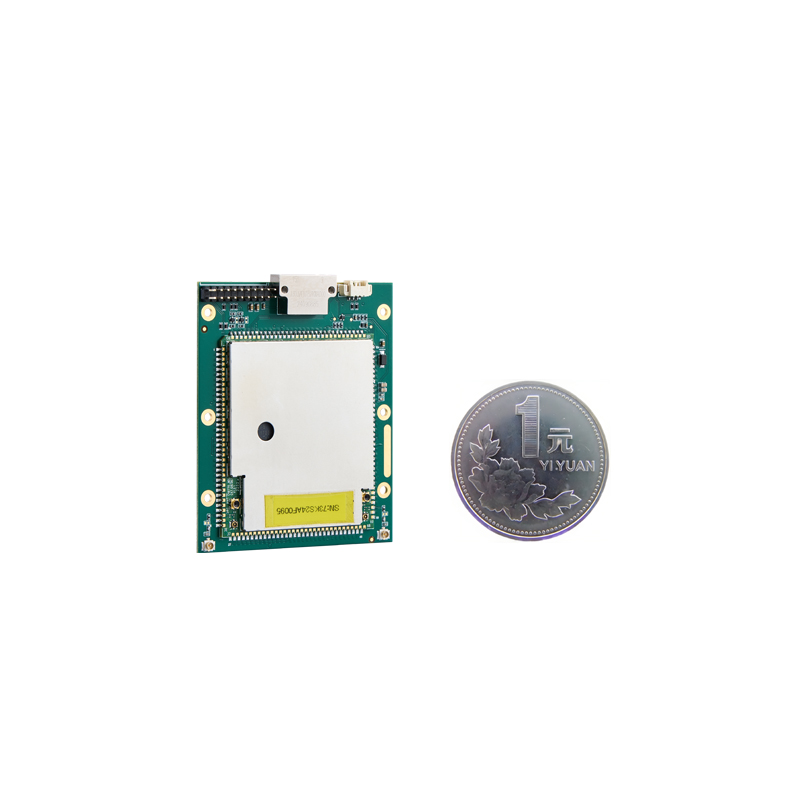
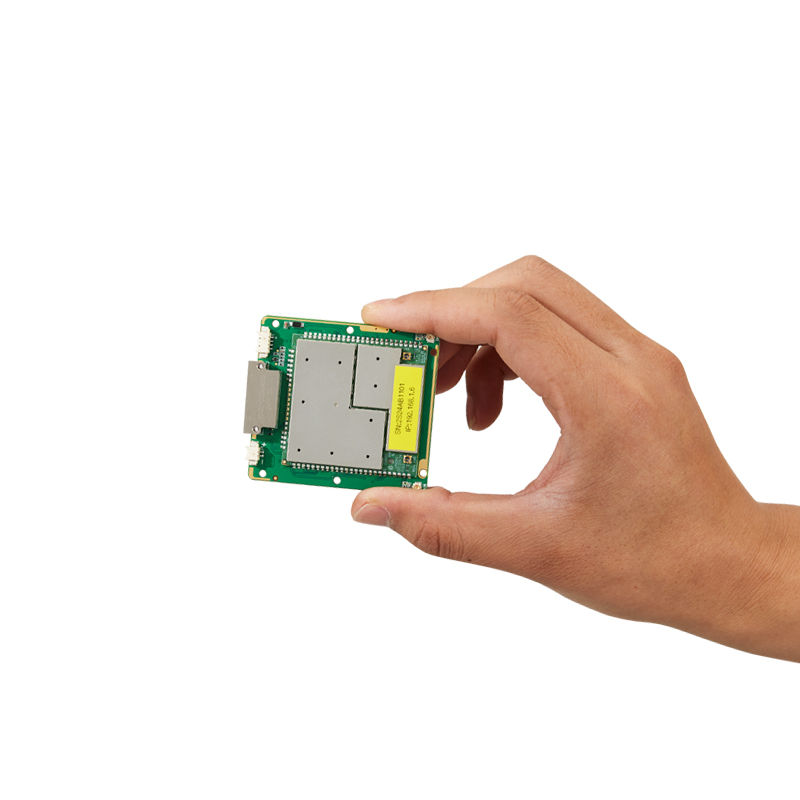
The FD-7800 MANET core communication module adopts a Software-Defined Radio (SDR) architecture, supporting the loading of various MANET waveforms. Characterized by miniaturization and low power consumption, it supports a maximum carrier bandwidth of 40MHz.
IWAVE wireless sytem adopts Frequency hopping provides frequency diversity and anti-jamming capabilities, effectively improving wireless link transmission quality and mitigating interference. Even if some frequency bands are jammed, communication can still proceed normally on other unaffected frequencies.
Moreover, compared to fixed-frequency communication, FHSS communication is more covert and harder to intercept. Without knowledge of the hopping pattern and hopping cycle, it is extremely difficult to intercept the communication content.
Post time: May-22-2025


